The "Magnificent Seven" have been the engine of this bull market. In April 2023, Roundhill Financial launched the MAGS ETF to give investors concentrated exposure to Nvidia, Microsoft, Apple, Alphabet, Meta, Amazon, and Tesla. It was a home run in 2023 (+55%) and 2024 (+62%), and it added another 21% in 2025. 📈
But 2026 has been a different story. The ETF is up a paltry 2% year-to-date, while the S&P 500 and Nasdaq are both up 12%. So what's going on? And more importantly, is this underperformance a golden entry point? Let's dig in. 🔎
 The root cause of MAGS' lag is the concentrated risk inherent in its structure. When you pack seven megacap growth stocks into one fund, you amplify the winners, but you also amplify the losers. This year, the drag has come from Tesla (TSLA) and Meta (META), both down double-digits YTD. Even with Nvidia and Amazon beating the benchmarks, the laggards are pulling the whole fund down. 🐻
This is the classic double-edged sword of a high-conviction portfolio. In 2023 and 2024, it made MAGS look like a genius. In 2026, it makes it look like a laggard. But here's the twist: this underperformance has created what many value-oriented investors call a selective buying opportunity. The fund's average P/E ratio stands at 29, which is on par with the S&P 500 and well below the Nasdaq-100's 34. However, this average is skewed by Tesla's absurd P/E of 323. Strip out Tesla, and you have five of the seven stocks trading at below-average valuations. 📊
This divergence in performance has sparked a heated debate on Wall Street. Is MAGS a value trap or a golden opportunity? Let's hear both sides. ⚖️
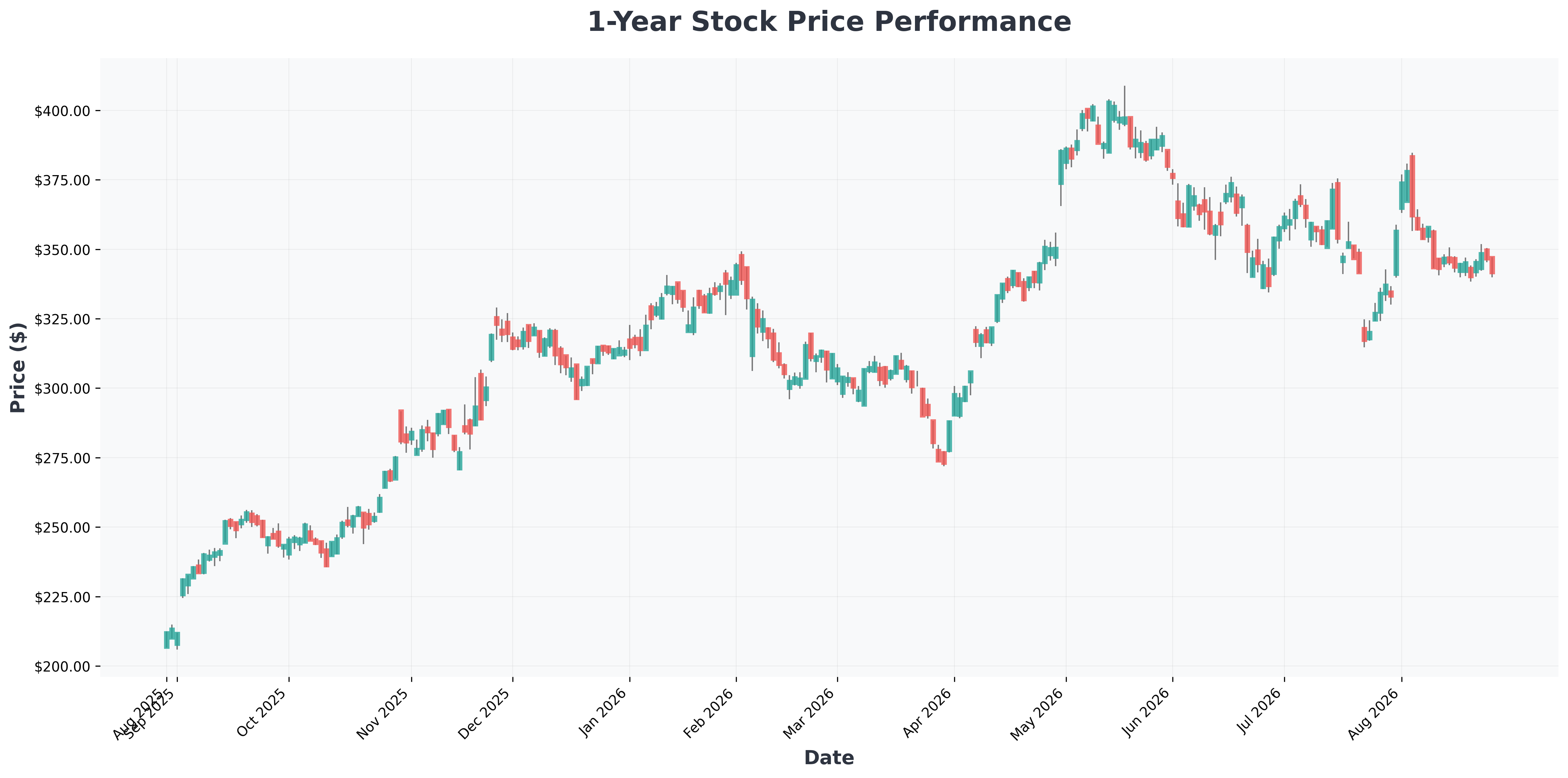
 Let's break down the current state of play. The recent price action near the $68 level, just below its 52-week high of $71, suggests the market isn't pricing in a collapse, but rather a period of consolidation. From a technical standpoint, the ETF has found solid support at its 50-day moving average, which is a bullish signal for traders looking for a bounce. 🚨
Best vs. Worst Case Scenario
| Scenario | Description | Implication for Investors |
|---|---|---|
| Best Case | AI demand continues to surge, lifting Nvidia, Microsoft, and Alphabet. Tesla's valuation compresses to realistic levels, and Meta's AI spending starts paying off. | MAGS could see a sharp re-rating, potentially breaking out above its 52-week high and delivering 20%+ returns in the next 12 months. |
| Worst Case | A broader market correction hits megacap growth stocks hardest. Tesla's P/E continues to balloon, or Meta's heavy AI investments fail to generate revenue. | The ETF could retest its 200-day moving average, leading to a 10-15% drawdown from current levels. |
📊 In-Depth Fundamental Analysis
| Company | Share Price | P/E Ratio | P/B Ratio | ROE | Operating Margin (OPM) | Revenue Growth |
|---|---|---|---|---|---|---|
| AAPL (Apple) | $315 | 36.12 | 42.74 | 148.75% | 32.62% | 16.40% |
| AMZN (Amazon.com,) | $256 | 20.60 | 5.01 | 30.56% | 13.69% | 19.60% |
| GOOG (Alphabet) | $338 | 16.94 | 6.64 | 48.68% | 34.03% | 24.20% |
| GOOGL (Alphabet) | $341 | 17.08 | 6.69 | 48.68% | 34.03% | 24.20% |
| META (Meta) | $571 | 21.50 | 5.57 | 29.85% | 34.83% | 28.00% |
| MSFT (Microsoft) | $505 | 28.11 | 8.48 | 34.04% | 45.11% | 17.70% |
| NVDA (NVIDIA) | $228 | 34.97 | 28.25 | 114.29% | 65.60% | 85.20% |
| TSLA (Tesla,) | $355 | 331.60 | 16.13 | 4.67% | 1.41% | 25.50% |
 The Bottom Line: Buy the Basket, Not the Baggage 🎯
I wouldn't put my entire portfolio into MAGS. The volatility is simply too high. But for investors looking for a calculated bet on the future of AI and tech, setting aside a smaller allocation for this kind of alpha is a smart move. You're not just buying the recent underperformers; you're buying the strongest secular growth story of our time at a fair price. The risk is real, but the reward potential is massive. This isn't a time to panic; it's a time to be selective. 💪
