The $30 Billion Plasma Gold Rush 💉The Intravenous Immunoglobulin (IVIG) market just got a major reality check. According to SNS Insider, the market was valued at $14.98 billion in 2025 and is projected to nearly double to $30.83 billion by 2035, growing at a steady 7.49% CAGR.
On the surface, this looks like a clean secular growth story. But dig one layer deeper, and the real narrative emerges: this is not a demand story — it's a supply story. Because IVIG is derived from human plasma, and plasma doesn't scale like software. 🩸
Why Investors Should Care
- Immunodeficiency, autoimmune, and neurological disorders are all expanding the addressable patient pool
- IgG products dominate with ~74.75% share
- Recombinant immunoglobulins are the fastest-growing sub-segment — manufacturers are trying to escape plasma dependency
- Asia Pacific is the fastest-growing region, led by China (~36.5% of regional revenue)
📌 Key takeaway: The winners in this market won't be the best marketers — they'll be the best plasma collectors.

The Tariff Shock Nobody Priced In 🚨
In October 2025, the United States implemented a 100% tariff on imported finished IVIG products. This is not a minor footnote — it fundamentally rewired the economics of the U.S. market.
The U.S. IVIG market alone was valued at $7.71 billion in 2025, representing ~84.9% of North American revenue. With a tariff doubling the landed cost of foreign-produced IVIG, domestic plasma fractionation capacity suddenly became a strategic moat.
Who Benefits, Who Bleeds
- Domestic U.S. producers with in-house plasma collection gain pricing power and margin protection
- European manufacturers (Grifols, Octapharma, Kedrion) face compressed margins on U.S. exports unless they localize production
- Hospital pharmacies (~57.1% distribution share) bear the procurement complexity — they can't simply switch suppliers overnight for a plasma-derived biologic
The Structural Constraint
Plasma collection is not a lever you can pull in a quarter. Donor recruitment, fractionation facility buildouts, and FDA approvals take years. This means the tariff doesn't just raise prices — it locks in market share for whoever already has U.S. plasma infrastructure.
💡 Historical parallel: When the U.S. imposed tariffs on imported steel in 2018, domestic producers like Nucor saw margins expand for 4-6 quarters before supply caught up. Plasma fractionation has a longer lead time than steel.
The IVIG market's trajectory looks clean on paper — but the tariff and plasma supply dynamics have split the investment community. Here's how bulls and bears are framing the same data:
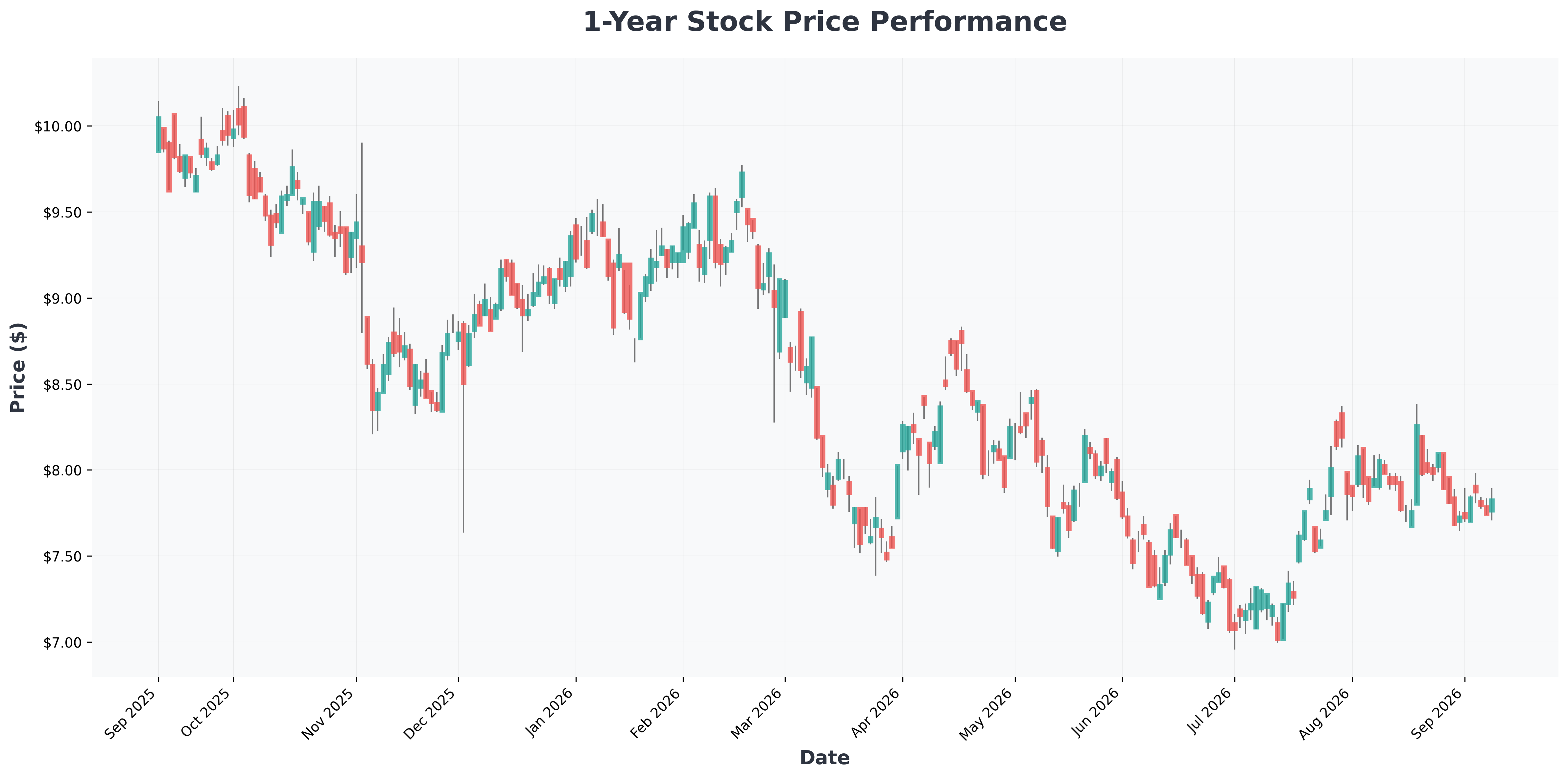

Scenario Analysis: Where This Goes by 2035 📊
Let's map the two dominant paths for investors holding or watching this sector.
🐂 Bull Scenario (Base Case)
| Driver | Impact |
|---|---|
| Neurological indications expand (CIDP, myasthenia gravis, GBS) | Widens patient pool beyond primary immunodeficiency |
| Asia Pacific reimbursement expansion | China, Japan, South Korea drive volume growth |
| Recombinant immunoglobulins scale | Reduces long-term plasma dependency |
| Specialty pharmacy channel growth | Enables at-home infusion, lowers cost per treatment |
Projected outcome: $30.83B market by 2035, with recombinant products capturing 15-20% share.
🐻 Bear Scenario (Risk Case)
| Risk | Impact |
|---|---|
| Plasma collection shortfall | Supply cannot meet demand; price spikes alienate payers |
| Tariff escalation or retaliation | European manufacturers exit U.S. market, reducing competition |
| Payer pushback on IVIG pricing | Reimbursement cuts compress margins |
| Recombinant approval delays | Plasma dependency persists longer than expected |
Projected outcome: Market grows but margin compression hits mid-tier players hardest.
Key Numbers to Watch
- Specialty Clinics CAGR: 8.61% — fastest-growing end-user segment
- Europe: $4.34B (2025) → $8.64B (2035) at 7.10% CAGR
- Germany: ~27.3% of European revenue — plasma fractionation hub
- U.S. CAGR: 7.95% — slightly above global average, tariff-adjusted
📊 In-Depth Fundamental Analysis
| Company | Share Price | P/E Ratio | P/B Ratio | ROE | Operating Margin (OPM) | Revenue Growth |
|---|---|---|---|---|---|---|
| TAK (Takeda) | $18 | 0.00 | 1.18 | -2.26% | 16.45% | 10.20% |
| CSLLY (CSL) | $30 | 0.00 | 3.90 | -15.83% | 21.49% | 5.50% |
| EBS (Emergent) | $6 | 0.00 | 0.88 | -40.29% | 28.34% | 66.30% |
| BAX (Baxter) | $24 | 0.00 | 2.01 | -14.37% | 14.43% | 5.30% |
| GRFS (Grifols,) | $8 | 9.94 | 1.62 | 6.93% | 15.90% | -0.90% |
The Bottom Line for Investors 🎯
The IVIG market is a structural growth story with a supply-chain chokepoint. The 7.49% CAGR is real, but it masks a brutal competitive dynamic: only companies with vertically integrated plasma collection can fully capture the upside.
What to Watch
- Plasma collection volumes — the leading indicator for revenue growth
- Tariff policy changes — any softening would reshape competitive dynamics
- Recombinant immunoglobulin approvals — the long-term threat to plasma-derived incumbents
- Asia Pacific reimbursement decisions — the swing factor for global volume
Risk Disclosure
This analysis is for informational purposes only and does not constitute investment advice. IVIG market participants face regulatory, supply-chain, and reimbursement risks that can materially impact financial outcomes. Investors should conduct independent due diligence and consult a licensed financial advisor before making any investment decisions. Past performance of plasma-derived therapy markets does not guarantee future results.
