📌 The Hidden Engine of Insurance Investing
Most investors overlook insurance stocks, dismissing them as boring. But beneath the surface lies a powerful mechanism: the float. This is the money collected from premiums that hasn't yet been paid out in claims. When managed correctly, it transforms a steady business into a wealth-compounding machine.
Warren Buffett built Berkshire Hathaway's empire on this principle. Today, companies like Cincinnati Financial (CINF) and Markel (MKL) follow similar paths, while Progressive (PGR) and Chubb (CB) take a more conservative approach. The key question: which strategy fits your risk tolerance and return goals?

🔍 The Float: Your Secret Weapon for Compounding
The float is essentially an interest-free loan from policyholders. Here’s how it works:
- Underwriting Profit: A combined ratio below 100% means the insurer makes money on the insurance itself.
- Investment Income: The float is invested in bonds, stocks, or even entire companies.
- Compounding Effect: Over decades, the investment returns on the float can dwarf the underwriting profits.
Berkshire Hathaway (BRK.B) is the gold standard. Buffett aggressively deployed float into equities like Coca-Cola (KO) and American Express (AXP), and even bought whole companies like Taylor Morrison. This aggressive approach offers huge upside but also higher volatility.
Cincinnati Financial (CINF) offers a middle ground. With ~39% of its portfolio in equities, it provides equity-like returns without the risk of buying entire companies. It's also a Dividend King with 50+ years of consecutive dividend increases. 🏆
Progressive (PGR) and Chubb (CB) are the conservatives. Their portfolios are heavily weighted toward bonds, prioritizing stability and income over capital gains. PGR's dividend yield of 6.44% is attractive for income-focused investors.
The market is deeply divided on which float management strategy will win in the next decade. Here's the debate:
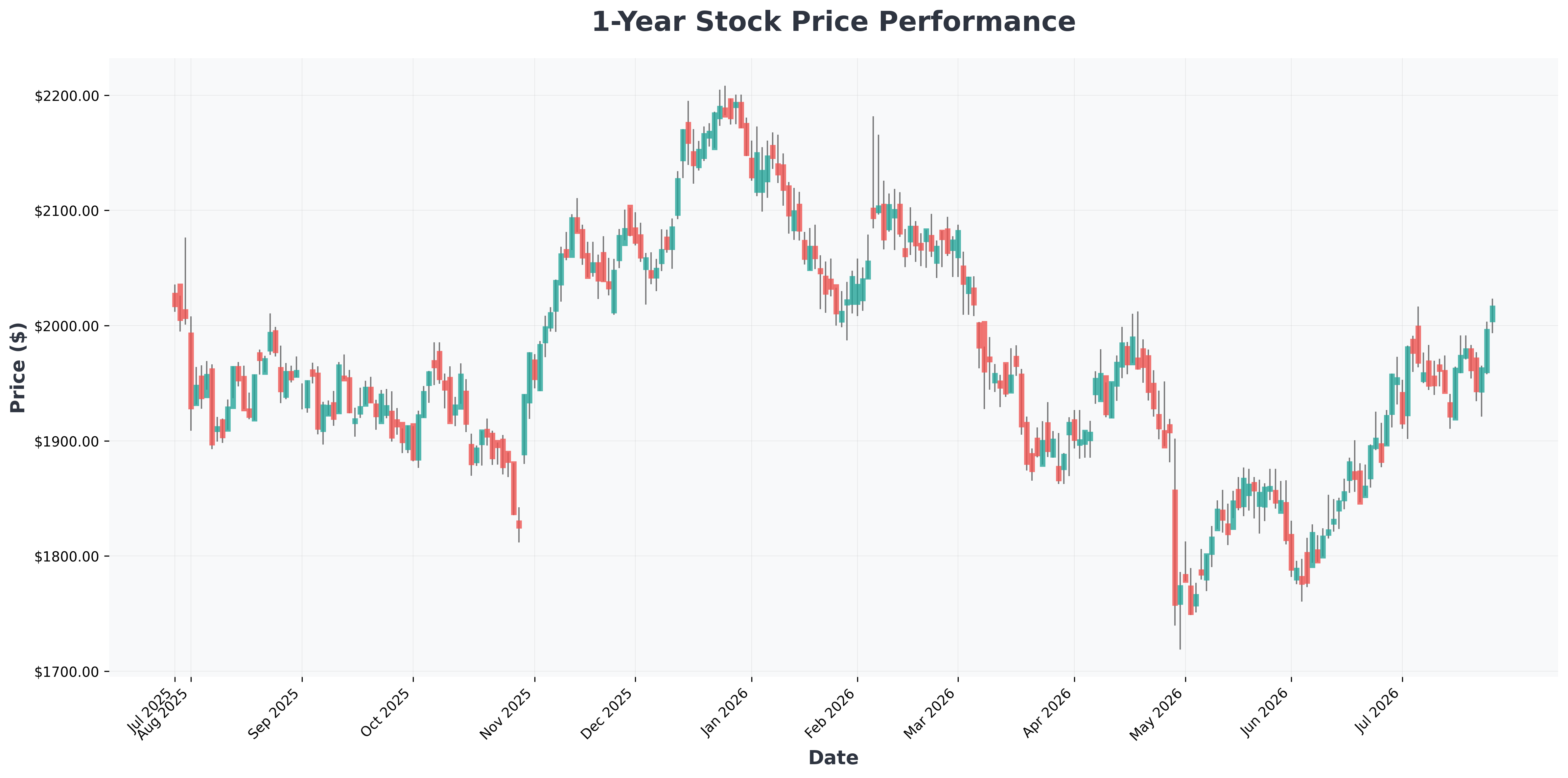

⚖️ Comparing the Giants: Float Management Spectrum
| Company | Ticker | Equity Exposure | Dividend Yield | Risk Profile | Compounding Potential |
|---|---|---|---|---|---|
| Berkshire Hathaway | BRK.B | Very High (100%+ via subsidiaries) | 0% | Aggressive | Very High |
| Cincinnati Financial | CINF | ~39% | 1.96% | Moderate | High |
| Chubb | CB | ~16.5% | 1.09% | Low-Moderate | Moderate |
| Progressive | PGR | ~4.5% | 6.44% | Low | Low-Moderate |
Key Insight: The trade-off is clear. More equity exposure = higher potential returns but greater risk during bear markets. A 2008-style crash would hit BRK.B hardest, while PGR's bond-heavy portfolio would barely flinch. However, over a 20-year horizon, the aggressive compounders historically outperform.
📊 In-Depth Fundamental Analysis
| Company | Share Price | P/E Ratio | P/B Ratio | ROE | Operating Margin (OPM) | Revenue Growth |
|---|---|---|---|---|---|---|
| AXP (American) | $337 | 20.44 | 6.63 | 34.38% | 20.32% | 12.80% |
| BN (Brookfield) | $42 | 83.08 | 2.22 | 2.50% | 28.92% | 7.90% |
| CB (Chubb) | $364 | 12.89 | 1.86 | 14.82% | 23.47% | 6.00% |
| CINF (Cincinnati) | $183 | 10.45 | 1.80 | 21.48% | 37.20% | 31.60% |
| HHH (Howard) | $67 | 31.37 | 1.05 | 3.61% | 21.48% | 18.40% |
| KO (Coca-Cola) | $88 | 27.76 | 11.29 | 43.37% | 35.05% | 12.10% |
| MKL (Markel) | $2,039 | 14.75 | 1.42 | 9.99% | -9.68% | -16.90% |
| PGR (Progressive) | $220 | 11.01 | 3.72 | 34.94% | 18.21% | 7.30% |

🎯 The Verdict: Which Insurance Stock Is Right for You?
Best/Worst Scenario Analysis:
- Best Case (Aggressive Growth): If we enter a prolonged bull market, Berkshire Hathaway and Markel will significantly outperform. Their equity-heavy portfolios will capture the upside of rising markets, and their acquisition strategies will add further value. CINF would also perform well, but with less volatility.
- Worst Case (Prolonged Bear Market or Recession): Progressive and Chubb are the safe havens. Their bond portfolios provide steady income and capital preservation. BRK.B would face a double hit: falling stock prices and potential claims from economic disruptions. However, Buffett's cash pile (over $150B) provides a significant buffer to buy bargains.
- Middle Ground: For most long-term investors, Cincinnati Financial offers the best risk-adjusted return. It combines equity upside with a proven dividend growth track record. It's a classic 'sleep well at night' compounder.
Final Recommendation: Don't just buy any insurance stock. Dig into the float management strategy. If you want maximum compounding, go with BRK.B or MKL. If you want income and stability, PGR or CB. If you want the best of both worlds, CINF is your pick.
