The Siren Song of 17% Yields 🚨
In a market starved for income, a dividend yield of 17.1% looks like a golden ticket. These are not your average utility stocks—we are talking about commercial real estate landlords, specifically REITs that have been hammered by high interest rates.
The logic is simple: when the Fed eventually cuts rates, their borrowing costs drop and property values rebound. But before you chase that yield, you need to ask a brutal question: Can the business actually afford to pay you?
Let's strip away the marketing and look at the cash flows. The gap between the dividend yield and the underlying Funds From Operations (FFO) is where the real story lies.

The Two Sides of the Coin: Office vs. Industrial 🏢
The high-yield landlord space is not a monolith. We are seeing a massive divergence between sectors.
The Losers: Office REITs 🐻
- Problem: Vacancy rates in major cities like SF and NYC are at historic highs. Tenants are downsizing.
- Math: If a building is 70% leased, the landlord cannot cover the mortgage AND pay you a 17% dividend.
- Result: Many office REITs are paying dividends out of debt or capital raises. This is a return of your own capital, not a return on capital.
The Winners: Industrial & Net Lease REITs 🐂
- Why: Warehouses are full. Data centers are booming. These assets have long-term leases with built-in escalators.
- Safety: A 4-5% yield from a well-managed industrial REIT is far safer than a 17% yield from a distressed office landlord.
Investor Insight: If a REIT yields more than 12% in this environment, the market is pricing in a dividend cut. You have to ask yourself: Is the market wrong, or is the dividend a mirage?
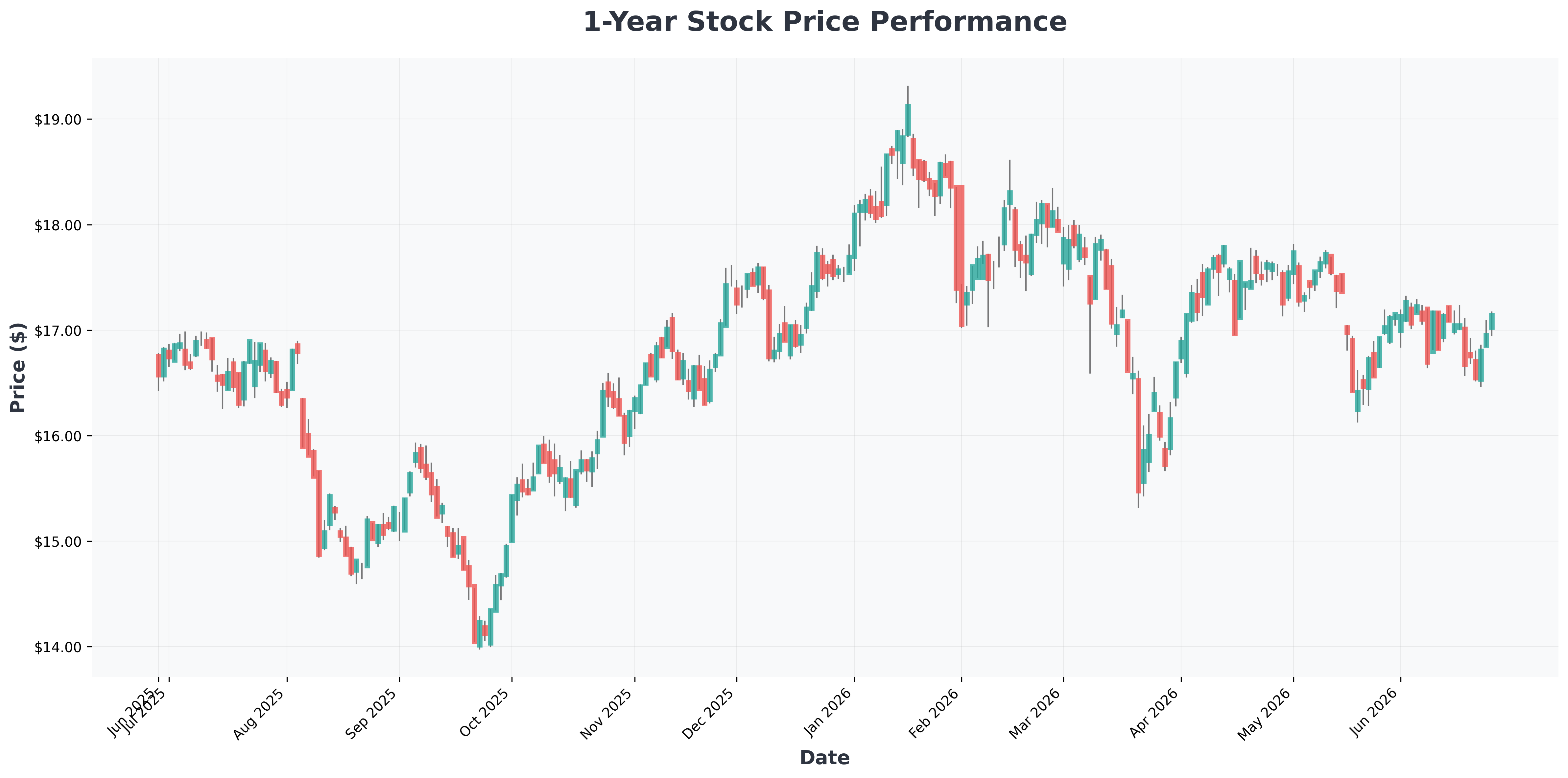
This is the central debate on Wall Street right now. Is the high yield a value trap or a generational opportunity? Let's hear both sides.

The Fed's Impact: A Double-Edged Sword 📉📈
A rate cut is not a magic bullet. Here is the scenario analysis:
| Scenario | Fed Action | Impact on High-Yield REITs | Likelihood |
|---|---|---|---|
| Soft Landing | Gradual cuts starting Q4 | Moderate relief. Refinancing costs drop. Dividends stabilize. | 45% |
| Hard Landing | Emergency cuts (Recession) | Disaster. Tenant defaults spike. Dividends suspended. | 25% |
| No Landing | Rates stay high | Death by 1,000 cuts. REITs bleed cash. More dividends slashed. | 30% |
Technical Note: Looking at the 2008 playbook, REITs that cut dividends did not recover their share price for an average of 3.5 years. The ones that held the line (like Realty Income) rewarded patient investors. The current high-yield cohort looks more like 2008 than 2020.
📊 In-Depth Fundamental Analysis
| Company | Share Price | P/E Ratio | P/B Ratio | ROE | Operating Margin (OPM) | Revenue Growth |
|---|---|---|---|---|---|---|
| ARR (ARMOUR) | $17 | 6.93 | 0.91 | 11.90% | 138.85% | 0.00% |
| CTO (CTO) | $22 | 108.70 | 1.26 | 2.40% | 25.00% | 15.00% |
| GNL (Global) | $9 | 0.00 | 1.22 | -2.81% | 31.27% | -17.50% |
| NXRT (NexPoint) | $29 | 0.00 | 2.68 | -9.66% | 10.74% | 0.50% |
| RWT (Redwood) | $5 | 0.00 | 0.68 | -8.55% | -4.70% | -13.40% |
| RWTP (Redwood) | $24 | 0.00 | 3.42 | -8.55% | -4.70% | -13.40% |
| RWTQ (Redwood) | $24 | 0.00 | 3.42 | -8.55% | -4.70% | -13.40% |

The Bottom Line: Don't Catch a Falling Knife 🗡️
Best Case (Bull): The Fed cuts 150bps in 2025. Refinancing becomes cheap. The high-yield REITs survive, and their share prices double from these distressed levels. You lock in a 17% yield on cost.
Worst Case (Bear): The economy dips into a mild recession. Office tenants go bankrupt. The REIT suspends the dividend. The stock drops another 40%. You lose both income and principal.
My Take: Avoid any REIT yielding over 12% unless you have done a deep dive on their lease maturity schedule. The 17% yield is a red flag, not a bargain. Stick to quality net-lease or data center REITs for safety. The market is offering a false choice: take the risk or get no yield. Don't take the bait.