📊 The Big Picture: A $36.1 Billion Opportunity 🚀
The numbers are in, and they are hard to ignore. The Financial Analytics Market is on a clear growth trajectory, projected to expand from USD 12.15 Billion in 2025 to USD 36.10 Billion by 2035. This represents a compound annual growth rate (CAGR) of 11.50% over the forecast period.
But this isn't just another market size report. The real story here is the tectonic shift happening inside enterprises. The days of static spreadsheets and backward-looking reports are ending. AI, machine learning, and predictive analytics are becoming the new standard for financial decision-making. Companies are no longer just tracking what happened; they are using intelligent systems to forecast what will happen next and automate responses to anomalies in real-time.
From real-time dashboards in the C-suite to automated fraud detection in banking, the demand for sophisticated financial analytics is exploding across every major industry vertical.

🧠 The Engines of Growth: AI, Cloud, and Predictive Power
The Cloud Dominance ☁️
The shift to the cloud is undeniable. In 2025, the Cloud segment commanded a ~58% market share, driven by scalability, real-time data availability, and seamless integration with AI/ML tools. This trend is only accelerating as more enterprises adopt SaaS-based financial solutions to avoid the heavy lifting of on-premise infrastructure.
AI: The New Financial Analyst 🤖
AI is no longer a buzzword; it's a core function. Key applications include:
- Revenue Management: The largest segment in 2025, fueled by real-time pricing optimization and profitability analysis.
- Audit & Compliance: The fastest-growing segment, driven by complex regulations (GDPR, MiFID II) and the need for automated audit trails.
- Fraud Detection: AI algorithms are now capable of identifying suspicious patterns millions of times faster than human analysts.
Who's Leading the Charge? 🏢
- By Enterprise Size: Large Enterprises held a massive 69% revenue share in 2025, but SMEs are the fastest-growing segment thanks to affordable, cloud-based SaaS tools.
- By Industry: The IT & Telecom sector was the top contributor in 2025, while BFSI (Banking, Financial Services, and Insurance) is expected to register the highest growth rate throughout the forecast period.
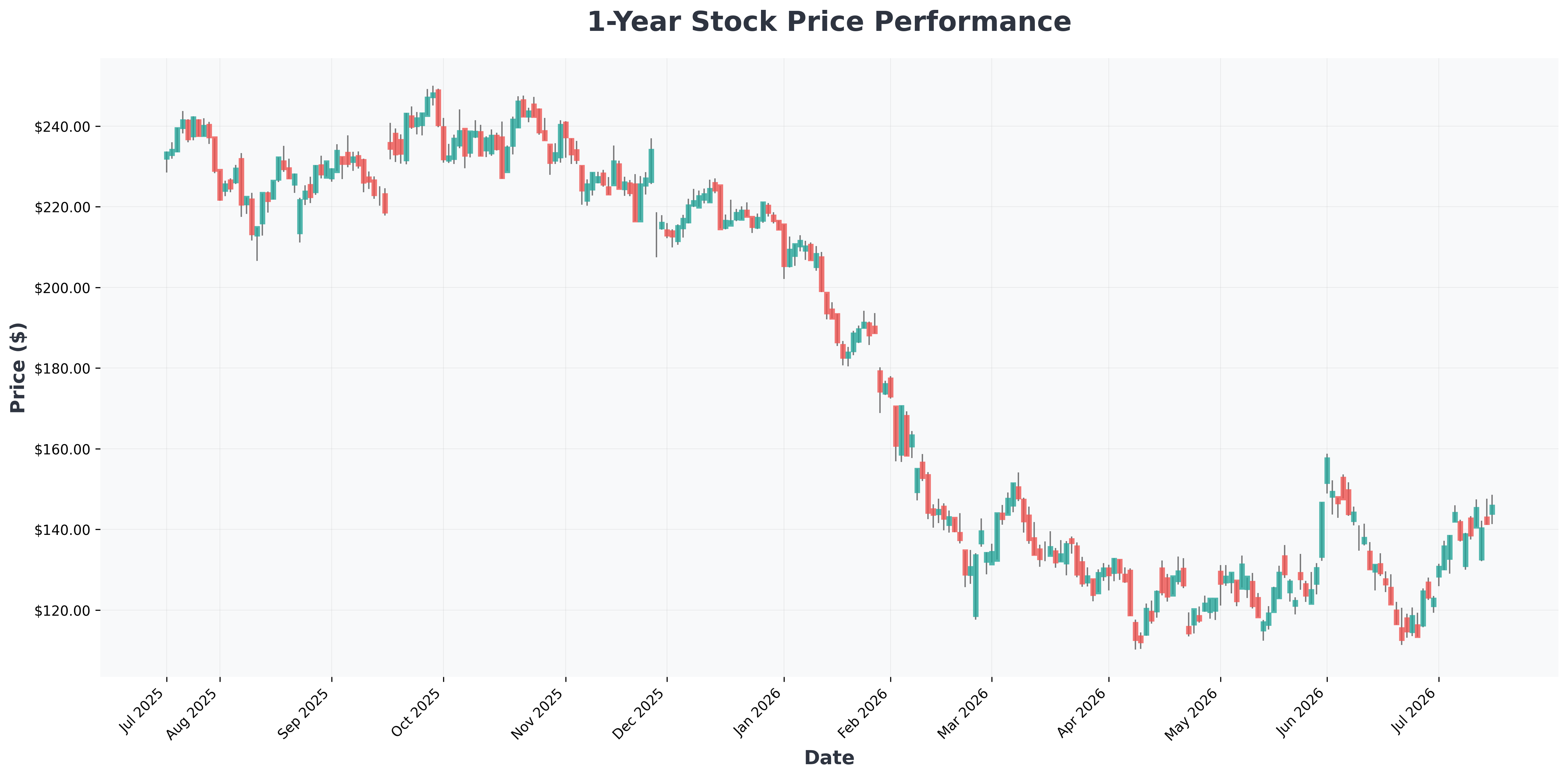
The rapid penetration of AI into financial analytics is a hot topic among investors. Let's look at both sides of the coin.

🌍 Regional Hotspots: Where the Action Is
The growth isn't uniform; it's concentrated in specific regions with unique drivers.
| Region | 2025 Market Status | Key Growth Driver | Projected CAGR (2025-2035) |
|---|---|---|---|
| North America | Early AI adoption, strong cloud infrastructure, major tech presence | ~12.55% (U.S. market) | |
| Europe | ~$3.28B | Stringent compliance (GDPR, MiFID II), rising ESG reporting | ~11.18% |
| Asia Pacific | Fastest Growing | Rapid digital transformation, expanding IT investments, high cloud adoption | Highest CAGR |
Insight: While North America leads in absolute size, the Asia Pacific region is the one to watch for explosive growth. The combination of a booming manufacturing sector, a rapidly digitizing banking industry, and government-led 'Digital Economy' initiatives is creating a perfect storm for financial analytics vendors.
📊 In-Depth Fundamental Analysis
| Company | Share Price | P/E Ratio | P/B Ratio | ROE | Operating Margin (OPM) | Revenue Growth |
|---|---|---|---|---|---|---|
| SAP (SAP) | $159 | 22.37 | 3.56 | 16.35% | 30.03% | 6.00% |
| WDAY (Workday,) | $145 | 45.10 | 5.39 | 10.86% | 13.30% | 13.50% |
| FIS (Fidelity) | $42 | 8.12 | 1.36 | 17.22% | 16.39% | 30.10% |
| GOOG (Alphabet) | $346 | 26.36 | 8.76 | 38.88% | 36.12% | 21.80% |
| GOOGL (Alphabet) | $347 | 27.72 | 8.78 | 38.88% | 36.12% | 21.80% |
| ORCL (Oracle) | $126 | 21.68 | 9.69 | 53.38% | 36.20% | 20.60% |
| MSFT (Microsoft) | $394 | 23.43 | 7.06 | 34.01% | 46.33% | 18.30% |
| HTHIY (Hitachi) | $29 | 26.75 | 3.24 | 13.30% | 15.60% | 11.30% |
| IBM (International) | $213 | 18.82 | 6.06 | 35.77% | 13.81% | 9.50% |

⚖️ Scenario Analysis: The Bull vs. Bear Case
🐂 Bull Case (Most Likely Path)
- AI Integration Deepens: Generative AI becomes a standard tool for financial modeling and scenario planning, creating a new wave of demand.
- SaaS Dominance: The shift to cloud-based, subscription models lowers the barrier to entry for SMEs, massively expanding the addressable market.
- Regulatory Tailwinds: Increasingly complex global regulations (e.g., ESG reporting, Basel IV) force companies to invest in automated compliance solutions.
- Target: The market could easily surpass $40 Billion by 2035 if AI adoption accelerates faster than expected.
🐻 Bear Case (Risks to Watch)
- Data Privacy & Security: A major data breach involving a leading analytics provider could slow enterprise cloud adoption.
- Economic Downturn: A prolonged global recession could lead to budget cuts for non-essential software, delaying digital transformation projects.
- Talent Gap: A shortage of skilled data scientists and AI specialists could limit the ability of enterprises to fully leverage these tools.
- Target: Under a severe recession scenario, growth could slow to a CAGR of ~8-9%, bringing the 2035 valuation closer to $28 Billion.
Final Verdict: The long-term trend is undeniably bullish. The convergence of AI maturity, cloud ubiquity, and the universal need for better financial intelligence creates a powerful, multi-year growth runway for this market.
