A Strategic Win for AI and Grid Modernization 🚨
The race to power AI data centers just hit a significant milestone. Camus Energy, a software startup focused on grid orchestration, has been selected for the prestigious Google for Startups Accelerator program, a 10-week intensive focused on AI solutions for the energy industry. This isn't just a badge of honor; it's a strategic move that could unlock new pathways for the most pressing bottleneck in the AI revolution: getting reliable power to data centers.
For investors and energy analysts, this signals that the intersection of AI, data centers, and grid infrastructure is where the next wave of value creation will happen. The program offers Camus direct access to major utility partners like Duke Energy, Edison International, and PG&E, providing a real-world testing ground for its technology.
Why This Matters Now
The core issue is interconnectivity. Traditional grid upgrades can take years, stalling AI expansion. Camus' approach, using software-defined flexible operating limits, is designed to bypass these delays. The goal is to connect data centers 3-5 years sooner using existing infrastructure, a claim that, if proven, would be transformative.

The Technology: FlexConnect and the New Grid Paradigm ⚡
Camus Energy’s value proposition centers on its FlexConnect software. Instead of the 'all-or-nothing' approach to grid access, FlexConnect enables data centers to operate within dynamic limits set by real-time grid conditions. This allows for massive new capacity to be unlocked without waiting for physical upgrades to transmission lines or substations.
The technical premise is simple: use software to optimize when and how much power a data center draws. This 'flexible load' can be throttled up or down to maintain grid stability, turning a potential grid liability into an asset. This is a key differentiator in a market where hyperscalers are struggling to find any available power.
The Google Connection
It's also worth noting the leadership pedigree. CEO Astrid Atkinson is a former Google engineer who worked on scaling their internal infrastructure. This experience is directly relevant to the problem at hand, giving the company a unique perspective on the needs of hyperscalers.
The market is split on whether software-defined grid solutions can truly solve the data center power crunch in time. Here’s how the bulls and bears are framing this development:
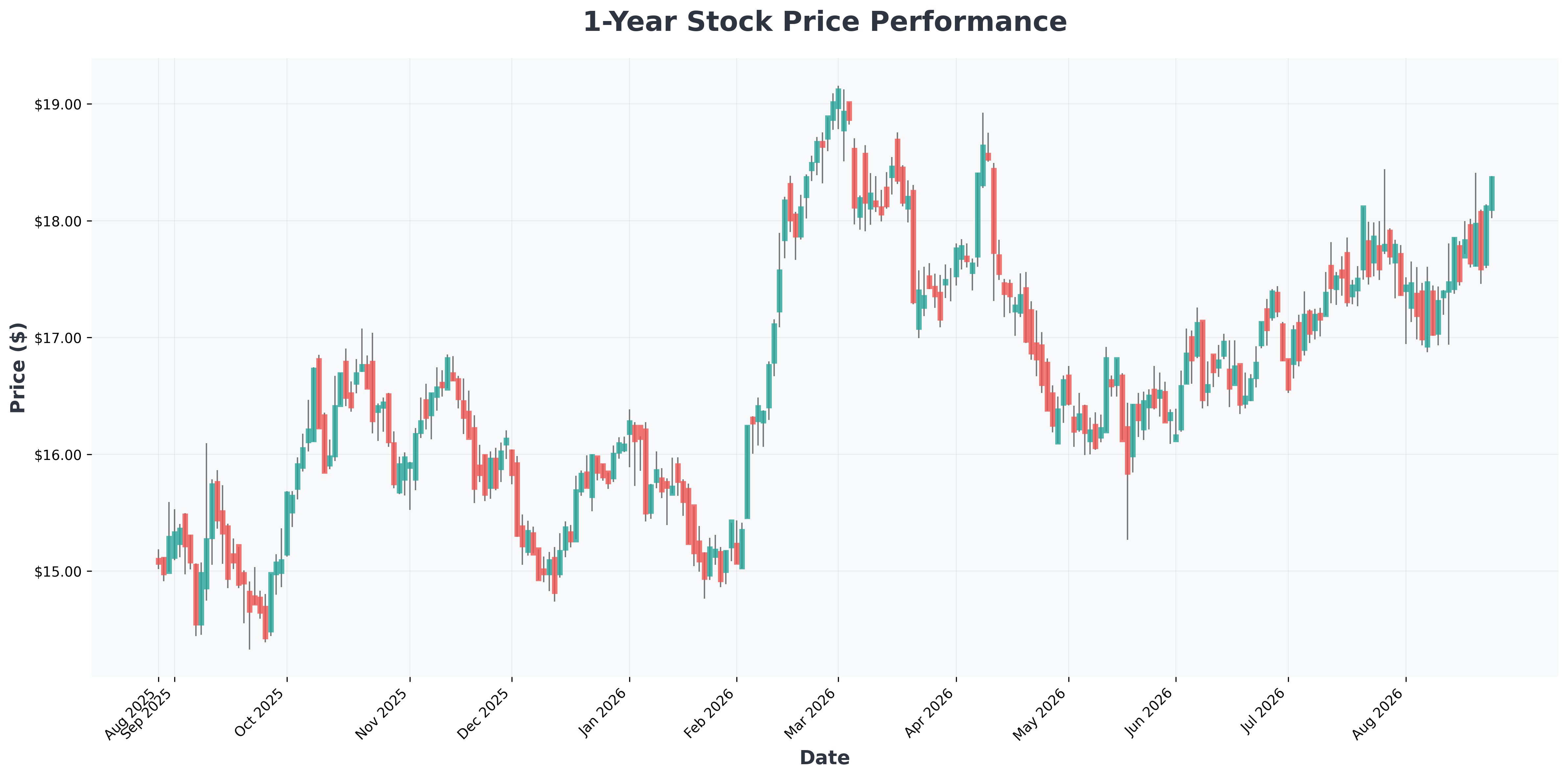

Market Impact and Strategic Scenarios 📊
The selection is a positive signal, but it's essential to look beyond the press release. Let's break down the potential scenarios:
Best-Case Scenario:
✅ Camus successfully demonstrates FlexConnect with a major utility during the accelerator. This leads to commercial contracts with hyperscalers looking to fast-track data center projects. The company becomes a critical piece of the AI infrastructure supply chain, leading to significant revenue growth and a potential IPO or acquisition.
Worst-Case Scenario:
❌ The technology proves difficult to scale beyond pilot projects. Utility partners remain cautious due to regulatory hurdles, and data center operators are unwilling to accept operational constraints on their power usage. The company remains a niche player, struggling to move beyond the accelerator's ecosystem.
📊 In-Depth Fundamental Analysis
| Company | Share Price | P/E Ratio | P/B Ratio | ROE | Operating Margin (OPM) | Revenue Growth |
|---|---|---|---|---|---|---|
| DUK (Duke) | $122 | 18.36 | 1.77 | 9.86% | 27.50% | 1.10% |
| DUKU (Duke) | $50 | 0.00 | 0.73 | 9.86% | 27.50% | 1.10% |
| EIX (Edison) | $75 | 7.69 | 1.64 | 19.73% | 26.90% | -4.10% |
| GOOG (Alphabet) | $339 | 17.03 | 6.66 | 48.68% | 34.03% | 24.20% |
| GOOGL (Alphabet) | $342 | 17.17 | 6.72 | 48.68% | 34.03% | 24.20% |
| PCG (Pacific) | $18 | 13.11 | 1.24 | 9.32% | 24.79% | 0.10% |

Conclusion: A Data Point, Not a Guarantee 📈
Camus Energy's inclusion in the Google for Startups Accelerator is a strong validation of its technology and market positioning. It provides immediate credibility and access to key industry players. However, the real test will be in the execution. For now, this is a bullish indicator for the company's potential and a reminder that the AI boom is increasingly an energy story. Investors should watch for concrete partnership announcements and pilot program results in the coming quarters.
