📈 Market Outlook: A Decade of Transformation in Oncology
The Breast Cancer Therapeutics Market is set for a significant expansion, with projections indicating a rise from USD 39.46 billion in 2025 to USD 95.14 billion by 2035, growing at a robust CAGR of 9.20%. This growth is fueled by a paradigm shift from conventional chemotherapy to precision medicine, driven by a deeper understanding of tumor biology and biomarker profiling.
Investors should note that this isn't just a story about volume; it's about value migration towards innovative, targeted modalities. The market is increasingly segmented by biomarker status (HER2, HR), leading to more effective drug matching and improved patient outcomes. 📊

🧬 Key Growth Drivers & Treatment Trends
The market is witnessing a rapid adoption of novel therapies, fundamentally changing the treatment algorithm.
- Targeted Therapy Dominance: This segment held a 64.85% share in 2025, underpinned by the widespread use of HER2-targeting drugs, CDK4/6 inhibitors, and endocrine therapy combinations. This is the financial bedrock of the current market.
- Immunotherapy's Ascent: As the fastest-growing therapy type (14.25% CAGR), immunotherapy, particularly for Triple-Negative Breast Cancer (TNBC), is opening new revenue streams. Checkpoint inhibitors are becoming standard of care, presenting a high-growth opportunity.
- Next-Gen ADCs: Antibody-drug conjugates are expanding treatment options for HER2-low and other cancer types, creating a multi-billion dollar sub-market. Companies developing next-generation ADCs with better efficacy and safety profiles are poised to capture significant market share.
The Financial Angle: The shift towards oral and subcutaneous delivery methods (projected to grow at an 11.62% CAGR) is not just a clinical preference; it's a market expansion driver. These formats increase patient adherence and reduce the burden on healthcare infrastructure, potentially accelerating market penetration. 💊
While the growth prospects are clear, the investment community is split on the best way to play this trend. Let's dive into the bull and bear cases.

📊 Regional Dynamics and Market Segmentation
The geographical landscape offers distinct opportunities for investors.
- North America (Largest Market): Holding a 38.61% share in 2025, the U.S. remains the epicenter due to its advanced healthcare infrastructure and rapid adoption of novel therapies. The U.S. market alone is projected to reach USD 31.08 billion by 2035.
- Asia Pacific (Fastest-Growing): This region is the next growth frontier. China is expected to contribute 36.60% of the region's revenue, driven by healthcare infrastructure expansion and improved access. This is a key area for long-term strategic investment.
| Segment | Largest Share (2025) | Fastest Growing (CAGR) |
|---|---|---|
| Therapy Type | Targeted Therapy (64.85%) | Immunotherapy (14.25%) |
| Cancer Type | Hormone Receptor Positive (66.97%) | Triple-Negative (12.35%) |
| Distribution Channel | Hospital Pharmacies (66.61%) | Online Pharmacies (11.80%) |
| Route of Administration | Oral (58.60%) | Injectable/Subcutaneous (11.62%) |
📊 In-Depth Fundamental Analysis
| Company | Share Price | P/E Ratio | P/B Ratio | ROE | Operating Margin (OPM) | Revenue Growth |
|---|---|---|---|---|---|---|
| AMGN (Amgen) | $432 | 26.89 | 20.00 | 91.47% | 35.55% | 9.50% |
| AZN (AstraZeneca) | $163 | 24.36 | 5.02 | 21.96% | 23.46% | 6.40% |
| BMY (Bristol-Myers) | $67 | 14.67 | 6.09 | 46.60% | 34.42% | 5.70% |
| DSNKY (Daiichi) | $18 | 20.89 | 3.13 | 14.81% | 14.81% | 21.10% |
| LLY (Eli) | $1,175 | 39.47 | 30.91 | 102.29% | 54.22% | 47.70% |
| MRK (Merck) | $148 | 117.74 | 8.73 | 6.96% | -0.24% | 5.10% |
| NVS (Novartis) | $154 | 23.23 | 7.04 | 30.35% | 34.62% | 0.80% |
| PFE (Pfizer,) | $28 | 36.79 | 1.87 | 5.01% | 27.88% | 2.60% |
| RHHBY (Roche) | $55 | 23.09 | 8.72 | 38.11% | 36.20% | -1.20% |

⚖️ Scenario Analysis & Final Takeaway
Best-Case Scenario (High Growth): If immunotherapy and next-gen ADCs continue to show superior efficacy, especially in hard-to-treat cancers like TNBC, and Asia Pacific adoption accelerates, the market could exceed the projected USD 95.14 billion by 2035. This would favor companies with strong immuno-oncology pipelines and a robust presence in emerging markets.
Worst-Case Scenario (Slower Growth): High treatment costs, toxicity concerns, and stringent regulatory hurdles could dampen growth. In this scenario, the market might still grow, but at a slower pace, with companies focusing on cost-effective biosimilars and value-based pricing models.
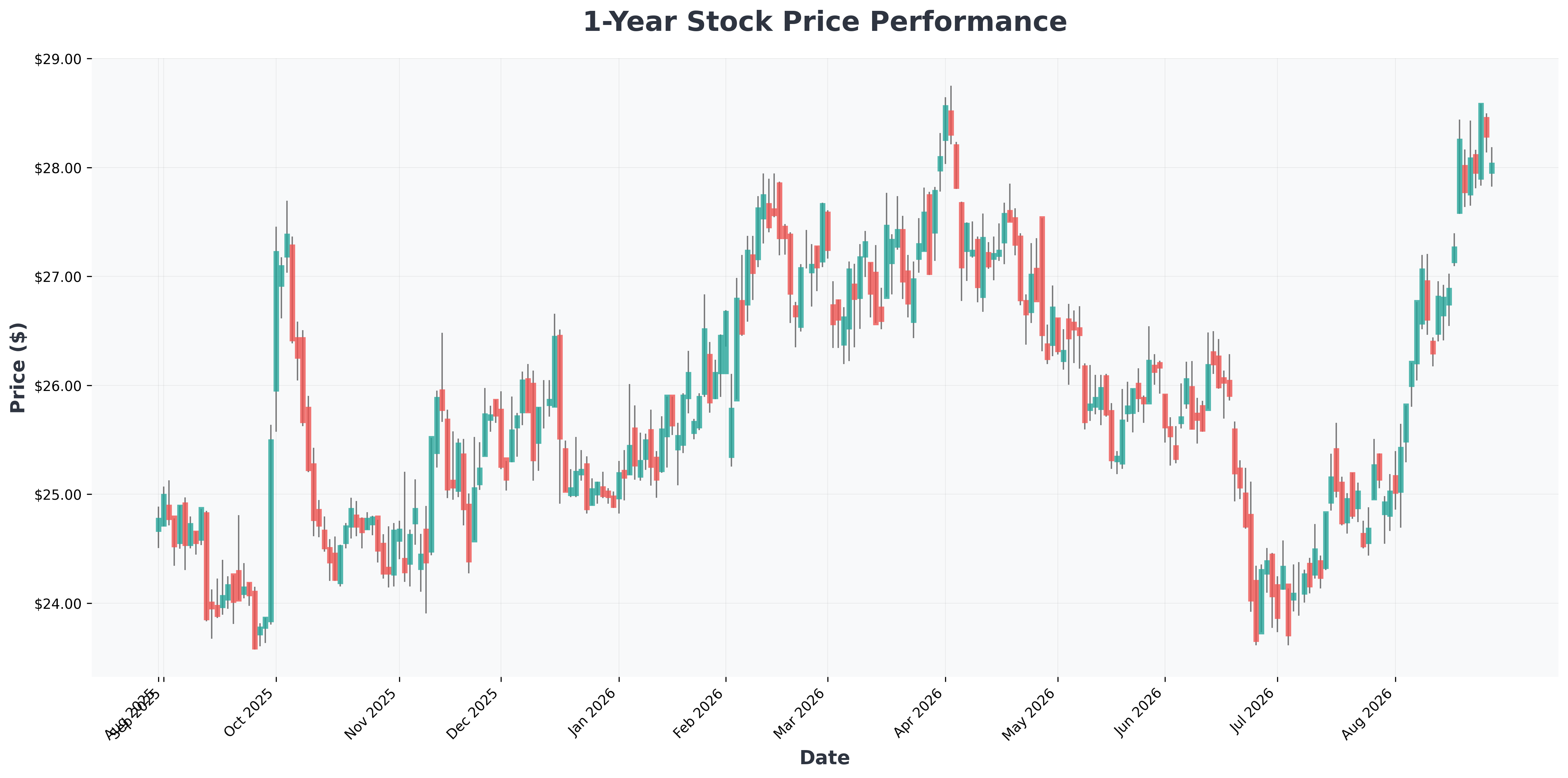
AI-Inspired Insight: Technical analysis of the sector's momentum suggests that the $39.5B support level is solid, and a clear breakout above the $50B psychological resistance on the back of positive late-stage trial data could trigger a strong re-rating of the entire oncology sector. Investors should watch for these key catalysts. 🚀
