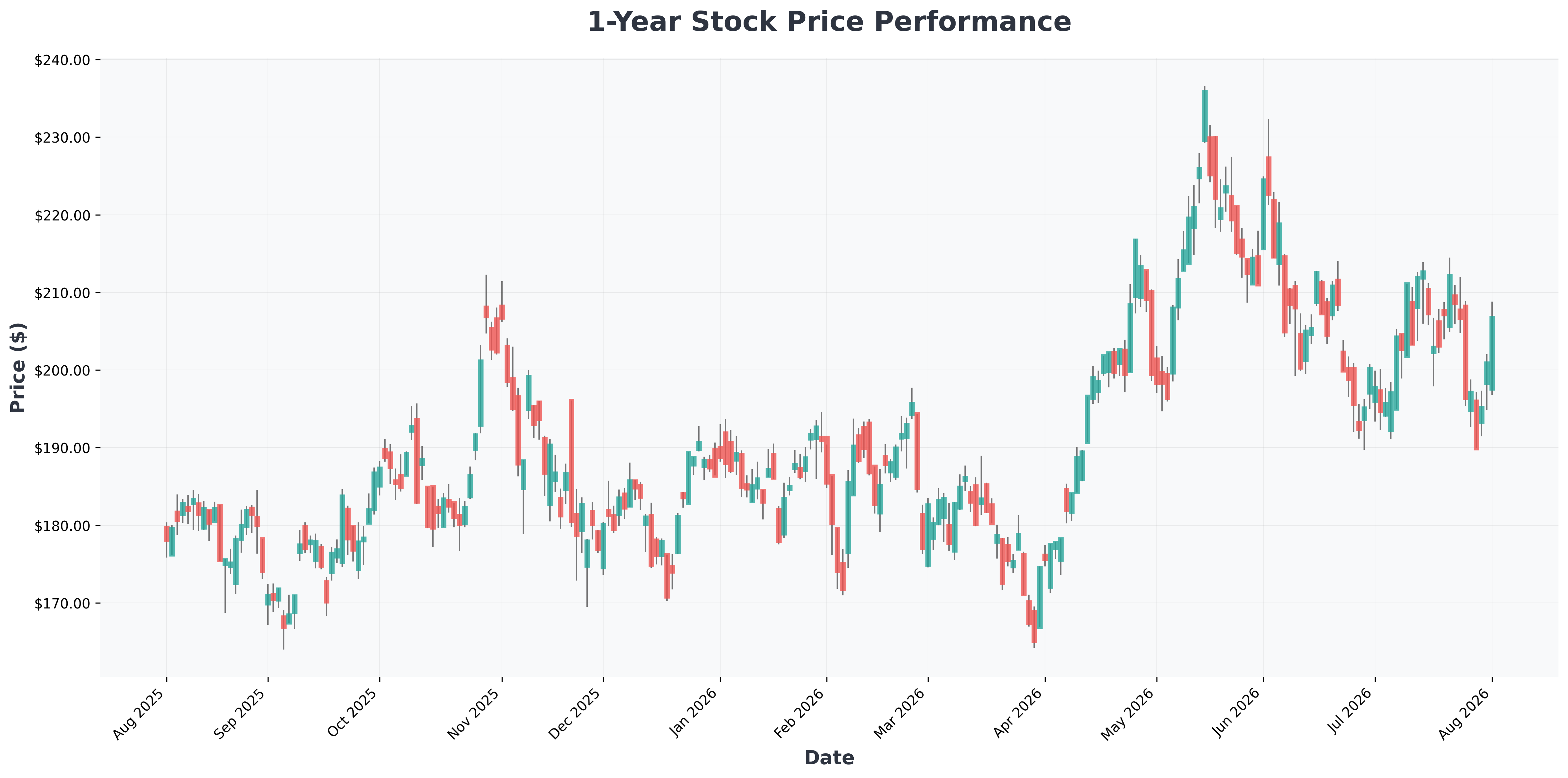
The AI trade has hit a wall. Over the past month, the VanEck Semiconductor ETF (SMH) has tumbled roughly 20% from its all-time high, dragged down by fears that the massive capital expenditures from tech giants like Alphabet and Meta aren't translating into profits fast enough. 🚨
But here's the thing: when the market panics, that's often when the best opportunities appear. As Warren Buffett famously said, "Be greedy when others are fearful." The question is whether this dip is a value trap or a genuine buying opportunity. Let's break down the fundamentals.

Why the Correction Looks Overdone 📉
The selloff in semiconductor stocks feels logical on the surface. Alphabet and Meta have seen their free cash flow turn negative as they pour billions into AI infrastructure. Investors are worried that the "pick and shovel" plays — the chipmakers — will eventually face a demand cliff if the hyperscalers pull back.
However, the underlying demand story hasn't changed. Supply is still severely constrained. Data center operators are fighting for every available GPU, and this scarcity gives chipmakers incredible pricing power. As long as that dynamic holds, earnings estimates should remain intact.
The ETF's Heavyweight Lineup 🏋️
SMH tracks the MVIS US Listed Semiconductor 25 Index, offering concentrated exposure to the industry's giants:
- Nvidia (NVDA): 21.7% — The undisputed AI king.
- TSMC (TSM): 9.5% — The manufacturing monopoly.
- Broadcom (AVGO): 6.7% — Custom AI chip specialist.
- AMD (AMD): 5.4% — The challenger.
- ASML (ASML): 5.1% — The critical equipment supplier.
With the top 10 holdings making up over 70% of the portfolio, this is a high-octane, volatile ride. But that concentration is also why it's up 50% in the last year — and why a 20% pullback feels like a clearance sale.

The Bull vs. Bear Case for SMH 🐂🐻
This is a genuine tug-of-war between those who believe the AI revolution is still in its infancy and those who think valuations have run too far, too fast.
The market is split on whether this is a dip to buy or a sign of a deeper correction. Here's how the bulls and bears are framing the debate:
📊 In-Depth Fundamental Analysis
| Company | Share Price | P/E Ratio | P/B Ratio | ROE | Operating Margin (OPM) | Revenue Growth |
|---|---|---|---|---|---|---|
| AVGO (Broadcom) | $418 | 69.81 | 22.69 | 37.28% | 48.99% | 47.90% |
| GOOG (Alphabet) | $375 | 18.83 | 7.37 | 48.68% | 34.03% | 24.20% |
| GOOGL (Alphabet) | $378 | 18.93 | 7.42 | 48.68% | 34.03% | 24.20% |
| META (Meta) | $588 | 22.14 | 6.12 | 29.85% | 34.83% | 28.00% |
| NVDA (NVIDIA) | $212 | 32.51 | 26.26 | 114.29% | 65.60% | 85.20% |
| TSM (Taiwan) | $417 | 36.82 | 87.00 | 39.97% | 60.34% | 36.00% |

Scenario Analysis: What Happens Next? 🎯
| Scenario | Probability | SMH 12-Month Target | Key Triggers |
|---|---|---|---|
| Best Case (Bull) | 40% | +35% (New ATH) | AI spending remains robust; Nvidia's next-gen GPUs sell out; hyperscalers report strong AI revenue growth. |
| Base Case (Neutral) | 40% | +10% (Recovers to $630) | Market stabilizes; earnings meet, but don't beat, expectations; consolidation phase. |
| Worst Case (Bear) | 20% | -15% (Tests $490) | AI capex is significantly slashed; demand spike fades; a major customer (e.g., Meta) pauses orders. |
Our Take: The market is no longer giving free passes to AI-adjacent companies. It wants tangible results. For SMH, which holds the true infrastructure plays, the risk/reward is skewed to the upside. The pullback is a buying opportunity for investors with a 2-3 year time horizon who can stomach the volatility. 📌
