After years of sitting on a record-breaking cash hoard, Berkshire Hathaway (BRK.A, BRK.B) is finally making some noise. The company's cash reserves fell from $397 billion to $366 billion in the second quarter, marking the most significant deployment of capital in years. 📉➡️💰
This isn't just a minor portfolio tweak. It's a clear signal that the leadership team, now firmly in Greg Abel's hands with Warren Buffett guiding from the shadows, is ready to put its massive dry powder to work. The question is: what took so long, and what does this move tell us about where they see value in today's market? Let's break down the numbers.
 The headline move is the massive expansion of Berkshire's stake in Alphabet (GOOGL). The position grew from roughly $15.6 billion to nearly $36 billion, making it the third-largest holding in the portfolio, just behind American Express. That's a bold bet on the future of AI and digital advertising, but it also raises questions about valuation at a time when tech stocks have already rallied hard.
Beyond Alphabet, Abel also added to existing positions in Delta Air Lines (DAL) and Macy's (M), and increased stakes in Lennar (LEN) and The New York Times (NYT). These moves suggest a broader theme: buying high-quality businesses that might be undervalued or have strong cyclical tailwinds, rather than just piling into mega-cap tech.
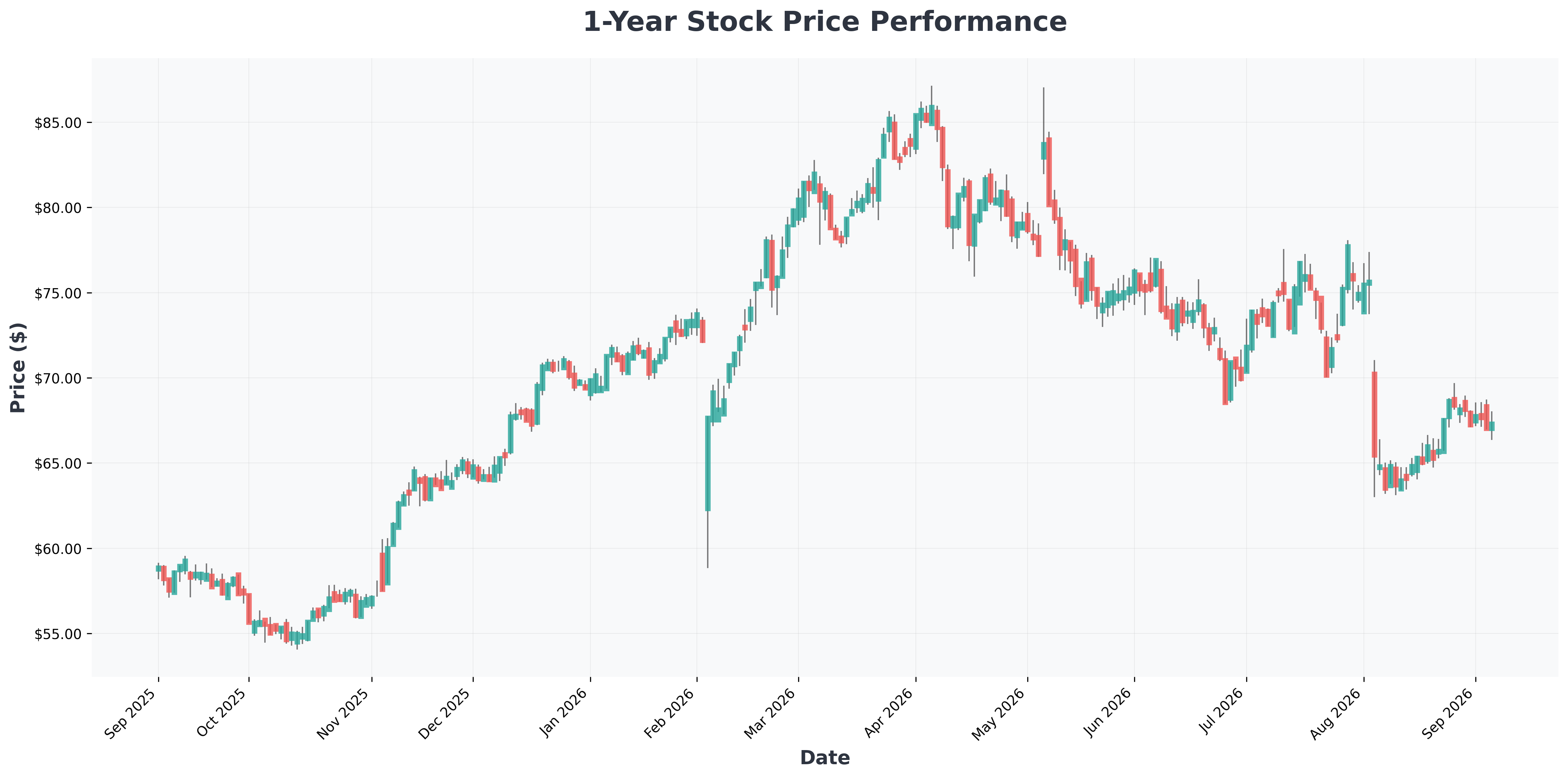
 Perhaps the most telling signal, though, is the $4.5 billion spent on share buybacks. This is a massive jump from the paltry $235 million in Q1 and marks the end of a six-quarter pause in repurchases. When Berkshire buys its own stock, it's a strong indicator that management believes the shares are trading below their intrinsic value. It's a vote of confidence in the business itself.
Here's a quick look at where the cash went:
| Action | Estimated Amount | Target |
|---|---|---|
| Increase Alphabet Stake | ~$17 Billion | GOOGL, GOOG |
| Share Buybacks | ~$4.5 Billion | BRK.A, BRK.B |
| Add to Delta Air Lines | ~$1.6 Billion | DAL |
| Add to Macy's | ~$100 Million | M |
| Add to Lennar & NYT | Not Disclosed | LEN, NYT |
| Total Deployed | ~$31 Billion | Various |
The market is split on what this capital deployment really means. Here's how the bulls and bears are framing the debate.
📊 In-Depth Fundamental Analysis
| Company | Share Price | P/E Ratio | P/B Ratio | ROE | Operating Margin (OPM) | Revenue Growth |
|---|---|---|---|---|---|---|
| GOOGL (Alphabet) | $338 | 16.97 | 6.65 | 48.68% | 34.03% | 24.20% |
| M (Macy's) | $23 | 9.52 | 1.25 | 14.36% | 1.76% | 2.10% |
| DAL (Delta) | $80 | 13.30 | 2.40 | 20.12% | 7.92% | 18.70% |
| GOOG (Alphabet) | $335 | 16.83 | 6.59 | 48.68% | 34.03% | 24.20% |
| NYT (New) | $67 | 28.03 | 5.31 | 19.72% | 17.12% | 11.30% |
| LEN (Lennar) | $84 | 13.10 | 0.93 | 7.37% | 5.28% | -5.20% |
 This quarter marks a potential turning point for Berkshire. The patience is still there, but it's now coupled with action. The question for investors is whether this is the beginning of a new, more aggressive era under Abel's leadership or just a temporary shift in strategy.
Best Case Scenario: The Alphabet stake continues to appreciate as AI monetization accelerates, the buybacks prove timely as the stock re-rates higher, and the cyclical positions in airlines and homebuilders catch a strong economic tailwind. This could lead to a significant outperformance for Berkshire shares over the next few years.
Worst Case Scenario: The market is near a peak, and these purchases were made just before a correction. Alphabet's growth slows due to competitive pressure, and the cyclical bets sour as the economy weakens. In this scenario, Berkshire's cash pile would have been better left untouched. 📌