While Wall Street was laser-focused on Alphabet (GOOGL) as Berkshire Hathaway's (BRK.A, BRK.B) top new holding, the real story from the latest quarterly report is a massive $4.5 billion buyback of its own shares. This isn't just a routine repurchase; it's the largest quarterly buyback in five years and a powerful signal from new CEO Greg Abel. 🚨

The Oracle of Omaha's Real Favorite Stock 📈
For years, Warren Buffett has preached the value of buying great companies at fair prices. But his ultimate 'favorite stock' has always been the one he controls. In the second quarter, Greg Abel stepped on the accelerator, repurchasing approximately $4.53 billion in Class A and B shares.
This aggressive buyback brings the total spent on repurchases since the board amended its rules in mid-2018 to over $82 billion. This isn't just a financial maneuver; it's a deeply philosophical one. It signals that the leadership believes the market is undervaluing the conglomerate's diverse assets, from its insurance float to its energy and rail businesses.
This massive buyback has split the investment community. Here’s how the bull and bear cases stack up.
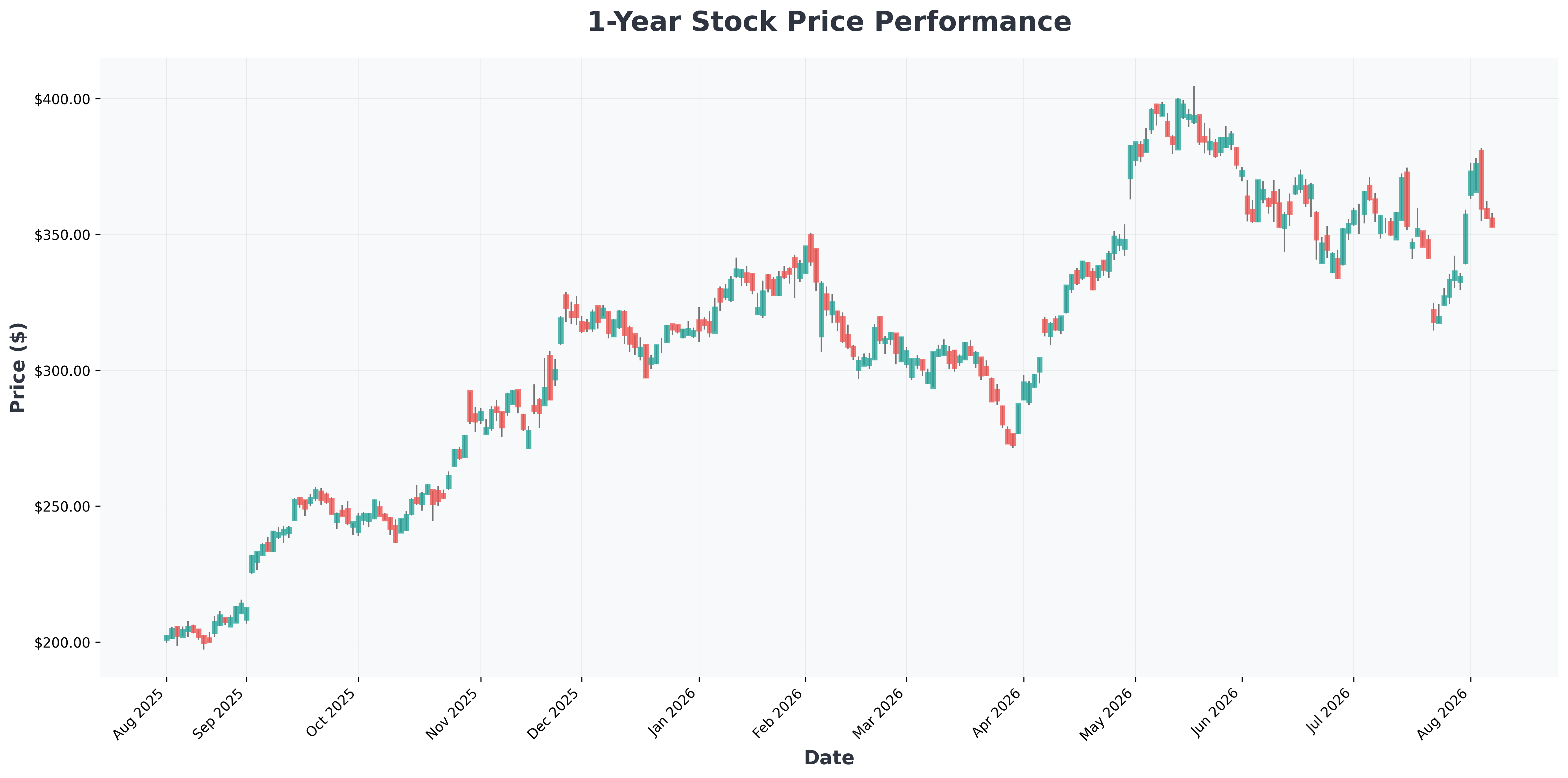

Why Berkshire's $82 Billion Buyback Spree Matters 🔍
The strategy behind this massive capital return program is threefold:
- A Reward Without Dividends: Berkshire doesn't pay a dividend. Buybacks are the most logical way to return capital to shareholders, incrementally increasing their ownership stake.
- Boosting EPS: By reducing the share count, earnings per share (EPS) naturally increases, making the stock more attractive to value investors.
- The Ultimate Vote of Confidence: Most importantly, it's a bet on the company's future. Both Buffett and Abel are signaling that the cyclical nature of Berkshire's portfolio is positioned for long-term growth. As long as the stock trades at or below a 50% premium to book value, expect Abel to remain a buyer.
📊 In-Depth Fundamental Analysis
| Company | Share Price | P/E Ratio | P/B Ratio | ROE | Operating Margin (OPM) | Revenue Growth |
|---|---|---|---|---|---|---|
| NVDA (NVIDIA) | $218 | 33.26 | 26.96 | 114.29% | 65.60% | 85.20% |
| GOOGL (Alphabet) | $358 | 17.92 | 7.02 | 48.68% | 34.03% | 24.20% |
| GOOG (Alphabet) | $356 | 17.85 | 6.99 | 48.68% | 34.03% | 24.20% |

Scenario & Conclusion 📊
Best Case Scenario: The buyback acts as a floor for the stock price during any market downturn. As the share count shrinks, EPS grows, attracting more institutional investors and pushing the stock to new highs.
Worst Case Scenario: The buyback is a signal that Abel lacks better investment opportunities in the broader market, potentially limiting organic growth. However, given Berkshire's history, this scenario seems unlikely.
Conclusion: This is a powerful signal of intrinsic value. It suggests that the market is underpricing Berkshire's portfolio. For long-term investors, this move reinforces the thesis that the 'Berkshire machine' is still running strong under new leadership.
